
Know what's inside the concrete before you core, cut or anchor
Every core, saw cut and anchor carries the same risk: hitting something you can't see. A cut post-tension cable can injure your crew and shut down a job. A drilled conduit can knock out power to a floor. A severed rebar can weaken the structure you're working on.
Sigma GPR uses ground penetrating radar to map what's inside concrete before you start. We locate rebar, post-tension cables, conduits and voids, mark them right on the surface and walk your crew through the results on site. GPR uses no ionizing radiation, so other trades can keep working nearby. We work across Metro Vancouver, the Fraser Valley and the rest of British Columbia.
Book a Scan
Scan first whenever you're going into concrete
- Core drilling for plumbing, HVAC and electrical penetrations
- Saw cutting for trenches, openings and slab removal
- Anchors and racking in warehouses and retail stores
- EV charger installs in parkades and driveways
- Renovations where old drawings may not match what was built
- Demolition and structural changes to existing slabs
Read more: Core drilling without scanning · EV charger installation: scan before you trench
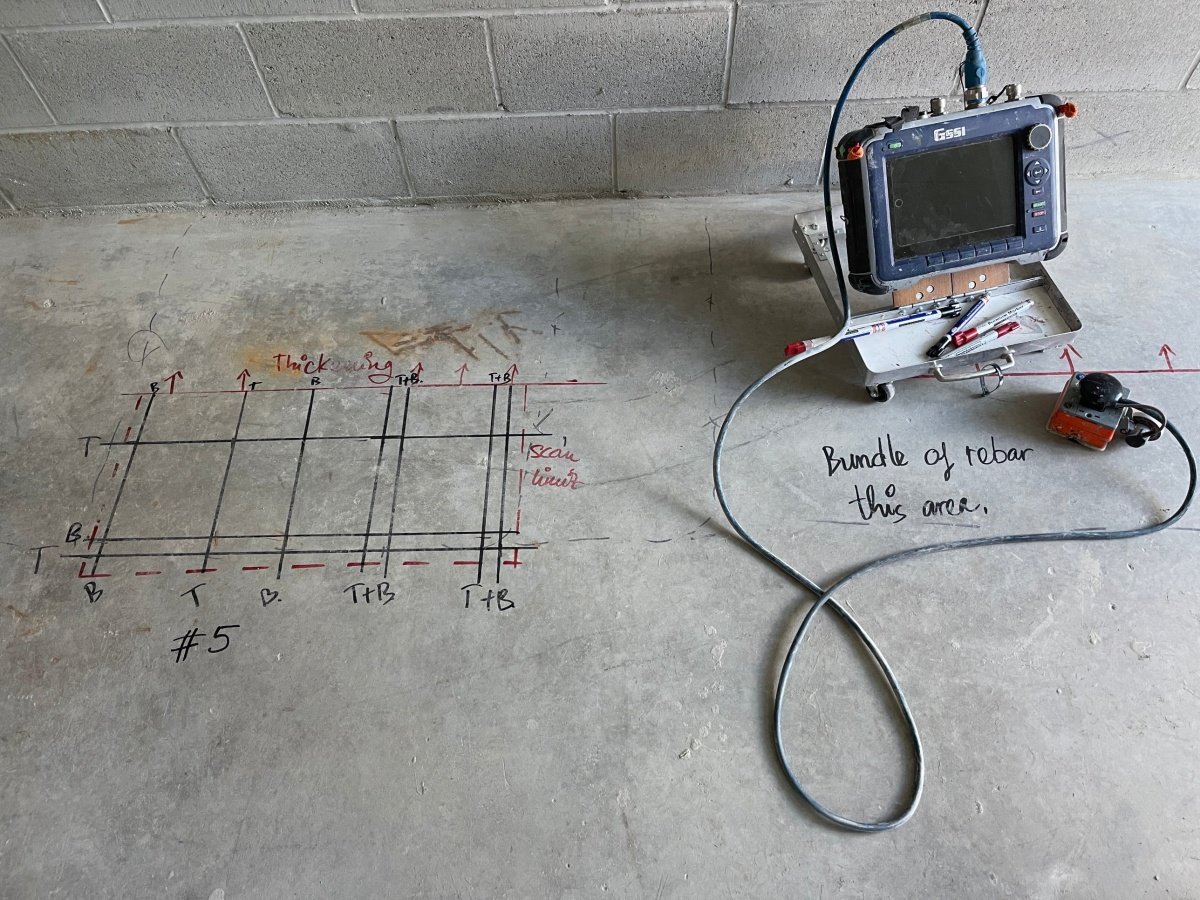
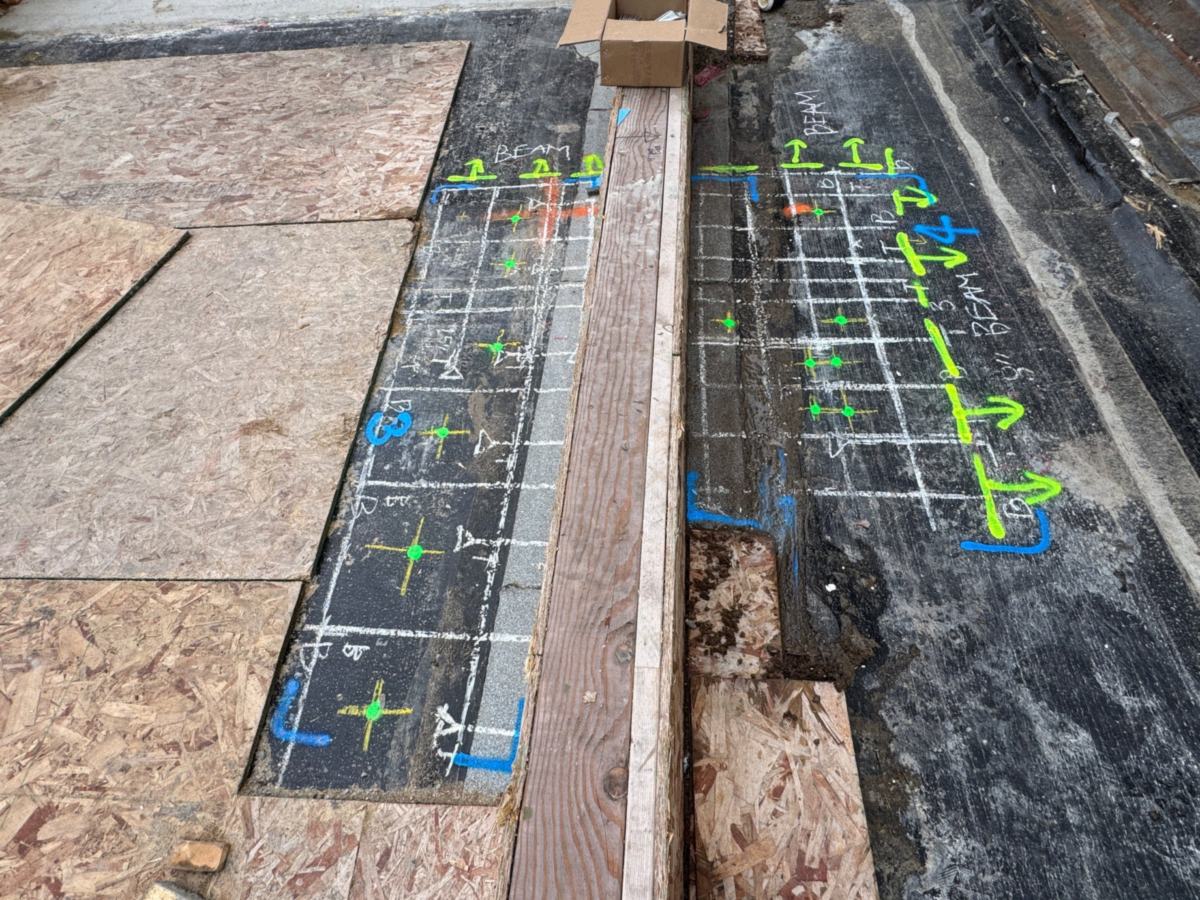
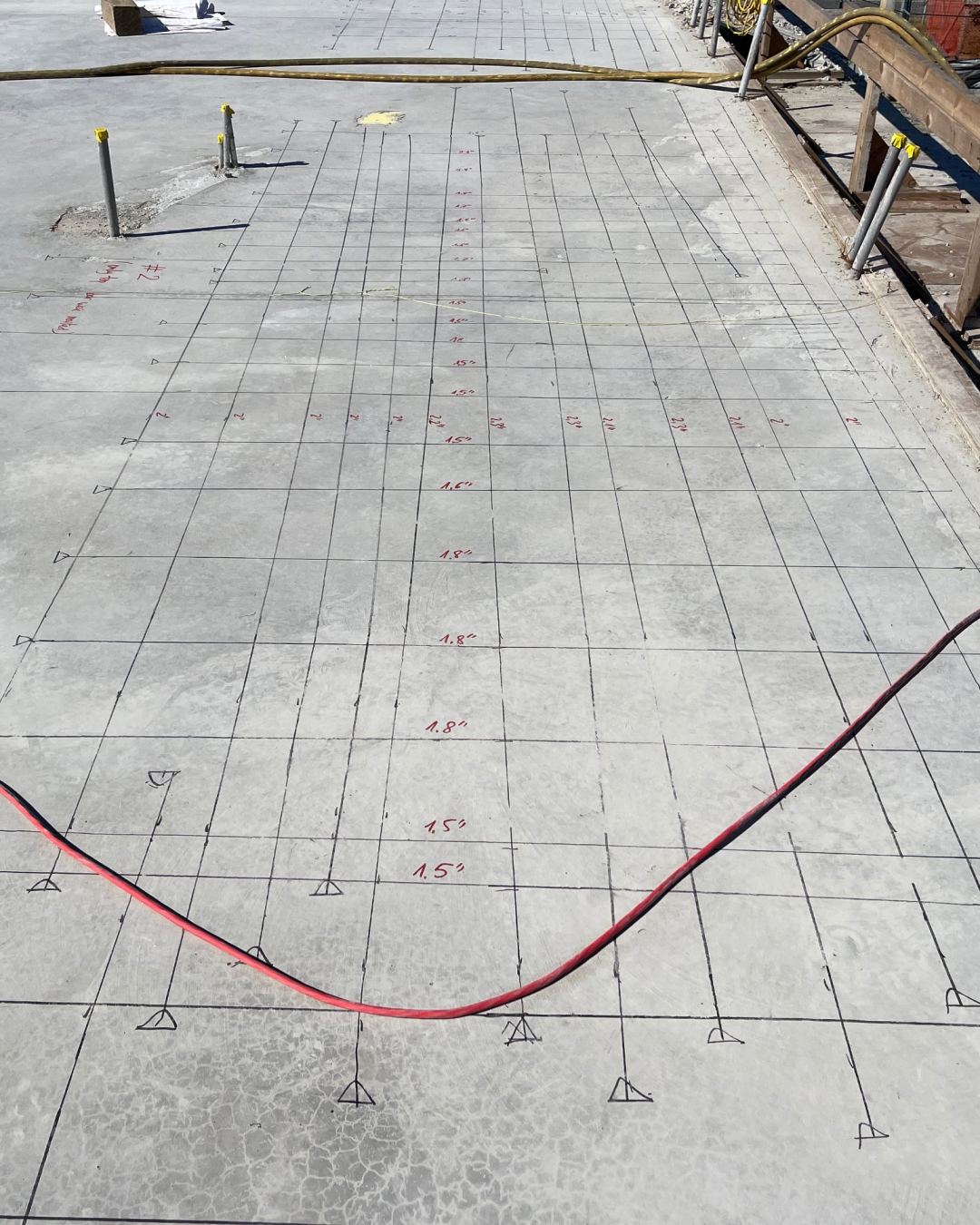
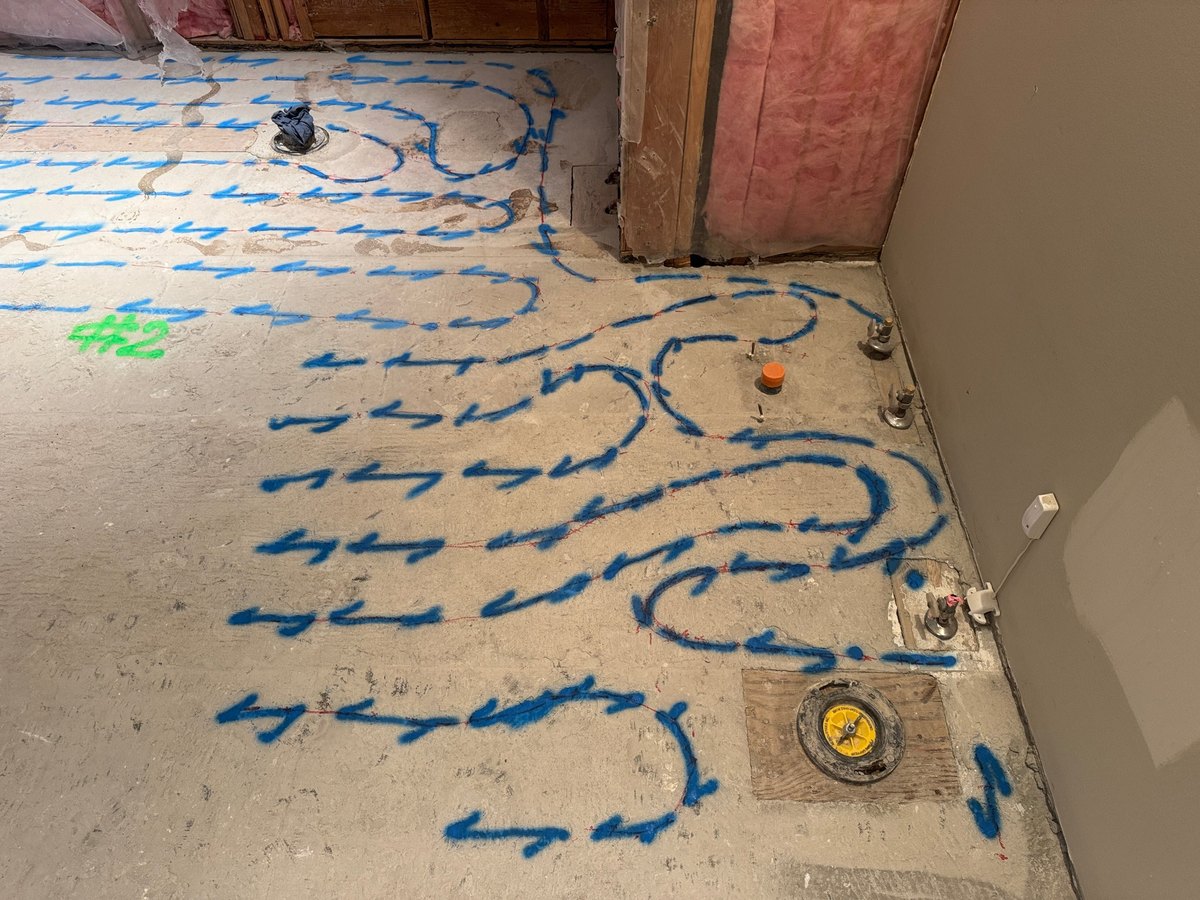
What a concrete scan shows
Rebar
Top and bottom mats, spacing and approximate cover depth, so you can core between the bars.
Post-tension cables
Tendons in PT slabs and decks, the highest-risk target to hit. Why PT slabs need a scan
Conduits
Electrical and data conduits embedded in slabs, walls and columns.
Voids
Hollow areas and gaps under or inside the slab that can affect your work.
Slab thickness
How thick the slab is at each location, so you can plan core depth and anchor length.
From request to report
Address, scope and a few photos.
We confirm the date, time and site access.
Walked through with your crew on site.
Written report with photos for sign-off.
Concrete scanning questions
How long does a concrete scan take?
It depends on the number of locations and the size of the area. A few core locations can often be done in a single short visit, while large slabs take longer. We mark results on the concrete before we leave. How long does a GPR scan take?
What affects the cost of a concrete scan?
The main factors are the number of locations, the total area, access to the site, travel distance and whether you need a written report. Send us the address and scope for an exact quote. What affects the cost of a concrete scan
How should I prepare my site?
Clear the scan area of materials and debris, mark where you plan to core or cut, and make sure we can get access on the day. How to prepare your site before we arrive
Is GPR better than X-ray for concrete?
GPR uses no ionizing radiation, so the area doesn't need to be cleared and other trades can keep working. It only needs access to one side of the slab, and results are marked on site the same visit. X-ray can show more detail in some cases, but needs access to both sides and an evacuated work area.
How deep can GPR see in concrete?
It depends on the equipment and the concrete. For most building slabs, GPR reaches well past the depth where rebar, PT cables and conduits sit. How deep can GPR see?
Do you work outside Metro Vancouver?
Yes. We're based in Coquitlam and work across British Columbia, from the Lower Mainland and Fraser Valley to Kamloops, 100 Mile House and Kitimat. See our concrete scanning in Vancouver page for recent Vancouver jobs.